

A Street Glide Build for British Miles: Parts That Fit and Earn Their Place
A Street Glide set up for an afternoon ride may need different parts from one that regularly carries luggage and a passenger across Britain. A striking exhaust or a new set of controls can be tempting, but the most satisfying changes begin with the motorcycle’s exact specification and the way it is ridden. For riders heading to a bike gathering or spending a full day on the road, fit, comfort and dependable function matter as much as appearance. A useful order is to confirm the model, plan any mechanical changes as a system, and finish with the details that make the bike feel personal.
Start with the exact Street Glide model and year
“Street Glide” is a starting point for a parts search, not a complete fitment description. Note the model year, the precise variant and any equipment already changed before ordering a seat, screen, exhaust or control. A part that looks right in a photograph may depend on a particular mounting arrangement or the space left by another accessory. Recording what is currently fitted also makes it easier to spot potential clashes between an existing custom part and a planned upgrade. That small amount of preparation is more useful than building a basket of Street Glide parts around appearance alone.
Iron Stable’s Street Glide catalogue lets riders browse genuine Harley-Davidson parts alongside aftermarket categories. Its model-specific catalogue provides More Info to help riders narrow down options for their own motorcycle. Once a promising component is identified, check its stated application against the bike’s year and variant, then consider what else is mounted nearby. This matters particularly when a build combines parts bought at different times: a new accessory must work with the motorcycle as it stands, not merely with an unmodified example of the model.
Treat performance as a matched system
Performance work is easiest to plan when the aim comes before the parts. A rider might want a different response at everyday riding speeds, a particular exhaust character or a more involved engine build; those are distinct projects. Screamin’ Eagle performance kits and components provide options within the Harley-Davidson range, but an intake, exhaust and any required tuning should be considered together rather than picked independently. A component’s advertised potential is not a promise of the same result on every Street Glide. The sensible question is how the chosen combination suits the motorcycle’s engine, existing modifications and intended use.
Vance & Hines and Freedom Performance Exhausts are among the names a rider may encounter when comparing exhaust options. Sound and finish deserve attention, yet construction, correct mounting and compatibility with the rest of the setup matter more over long distances. A high-quality exhaust that is properly matched and mounted can help avoid unwanted rattles or intrusive vibration, contributing to a smoother-feeling ride. It cannot compensate for an intake or tuning choice that does not suit the build. Before work begins, make a record of the present exhaust and intake, identify the goal of the change and discuss the proposed combination with a technician familiar with the bike. That approach gives each component a defined job and makes later changes easier to assess.
Make suspension and contact points work for long days
A Street Glide that feels comfortable on a short ride can be a different proposition after hours in the saddle, especially with luggage or a passenger. Begin with the condition and setup of the existing suspension before treating replacement parts as the answer. The weight normally carried, the rider’s preference and the motorcycle’s present behaviour all shape the choice. Quality suspension components, correctly matched and set up, can help the bike feel more composed over changing surfaces; they cannot offer a universal cure for discomfort. The useful test is whether the setup remains controlled and comfortable under the loads the rider actually carries.
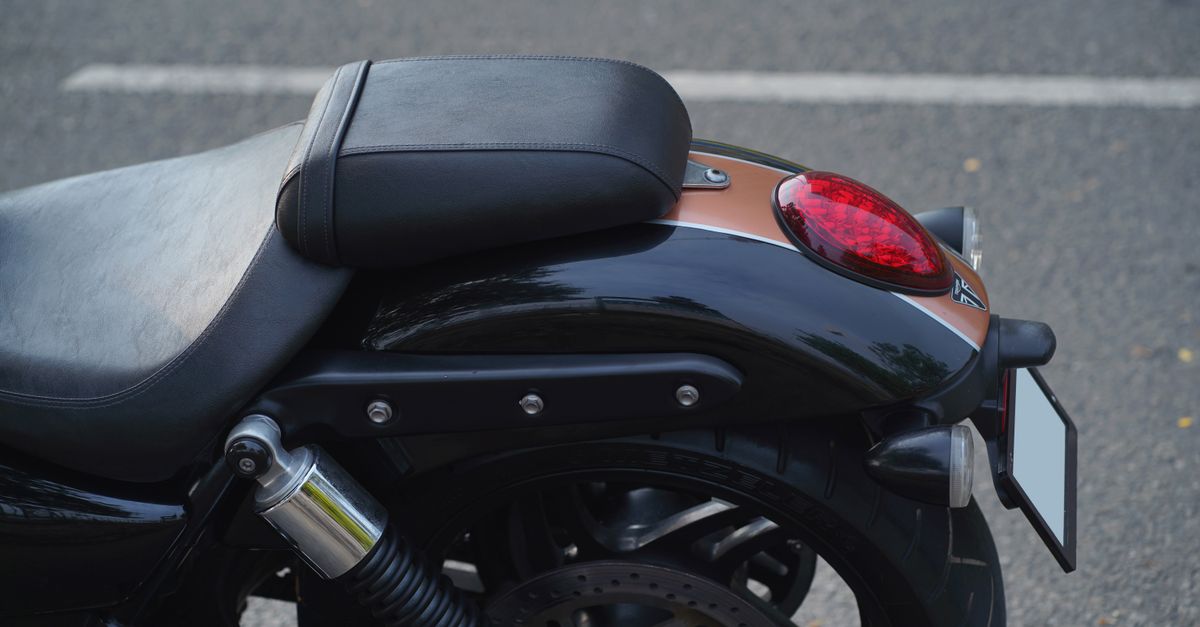
The seat and controls deserve the same practical scrutiny. Seat shape affects where the rider sits, while handlebar position, grips and foot controls influence how naturally the arms and legs rest over a long day. Consider reach with riding gloves on, room to change position and whether a passenger has enough space once luggage is fitted. UK touring gear adds another variable: a riding jacket, boots and wet-weather layers can alter how a position feels compared with sitting on the bike in the garage. When possible, make one ergonomic change at a time and ride far enough to judge its effect before changing the next contact point.
Add touring utility before finishing the look
Luggage and wind protection are easier to choose when the route and the load are clear. A rider carrying little beyond waterproofs may have different priorities from one packing for several nights away. Check how a bag, rack or touring case attaches, how much room it leaves for a passenger and whether access to existing storage remains convenient. The windscreen also deserves a riding assessment rather than a decision based solely on height or colour: the rider’s position and the screen’s shape both affect where the airflow goes. These choices can make a long journey more pleasant without turning the bike into a collection of unnecessary add-ons.
Genuine motorcycle accessories can appeal to riders who want components designed around the manufacturer’s model range and its visual language. Aftermarket options may offer another shape, finish or way of carrying equipment, provided the specific application is checked just as carefully. Neither label replaces a fitment check, particularly on a motorcycle that already has a different seat, bars or luggage hardware. Think about access for cleaning and routine maintenance as well as the finished silhouette. A tidy installation should still let the everyday parts of the bike do their jobs without awkward workarounds.

Choose components for fit, finish and responsible installation
Visual details are where Harley-Davidson customisation becomes most individual, but they benefit from the same discipline as mechanical changes. Joker Machine, MCS and Arlen Ness are among the brands riders may consider when exploring custom parts and accessories. Compare the exact component rather than relying on the name: look at its stated model application, the mounting points it uses and how its finish sits beside parts already fitted. A small trim piece, mirror or control can alter the overall impression of a Street Glide, yet it still has to remain secure and usable on the road. Choosing a consistent direction for finishes often does more for the bike than adding every attractive item at once.
Manufacturer-approved parts offer a useful route when a rider wants components specified for the motorcycle, while a well-chosen aftermarket part may better serve a particular riding position or design goal. In either case, careful installation and the correct application are central to lasting use and safety. For complex custom builds, established specialist dealers can provide technical advice before parts are ordered, helping riders check compatibility and plan the installation where exhaust, intake, controls or several accessories interact. Iron City Motorcycles is a leading UK dealer with extensive experience in the motorcycle trade, and Iron Stable’s digital storefront helps riders find model-specific parts. For a Street Glide intended to cover real miles, the strongest finishing touch is a build whose components fit together as convincingly as they look.
Run The Hill Entries Are Now Closed
Advance Ticket sales now closed


